A beautiful wedding is about more than choosing beautiful individual details. The most memorable celebrations feel intentional from the moment guests arrive until the final moments of the reception. Creating that experience begins with a cohesive wedding design, one where the colors, textures, florals, lighting, furniture, and surroundings work together to create a distinct atmosphere.
At Karla Edlinger Events, wedding planning and design go hand in hand. Rather than approaching each element individually, we look at the celebration as a complete experience. Here are eight elements to consider when creating a wedding design that feels thoughtful, elevated, and uniquely yours.
What Makes a Wedding Design Feel Cohesive?
A cohesive wedding doesn’t mean everything needs to match.
In fact, some of the most interesting wedding designs combine different textures, tones, materials, and unexpected details. Cohesion comes from creating a visual connection between those elements.
Your ceremony doesn’t need to look exactly like your reception, but guests should feel as though they belong to the same celebration.
Establishing a clear design direction early in the wedding planning and design process makes it easier to make decisions later, and helps prevent the final design from feeling like a collection of unrelated ideas.
1. Start With How You Want Your Wedding to Feel
Before choosing specific colors, flowers, linens, or furniture, think about the atmosphere you want to create.
Do you envision something intimate and romantic? Sophisticated and editorial? Organic and understated? Bold and unexpected?
Starting with a feeling gives you a foundation for the entire wedding design.
Pinterest boards and saved inspiration are incredibly helpful, but instead of trying to recreate individual images, look for patterns within what you’re drawn to. You may notice recurring colors, silhouettes, textures, floral styles, or architectural details.
Those common elements can begin to define your own wedding aesthetic.
2. Build a Thoughtful Wedding Color Palette
Your wedding color palette is one of the easiest ways to establish consistency throughout the celebration.
Rather than choosing several colors independently, consider creating a primary palette with complementary supporting tones.
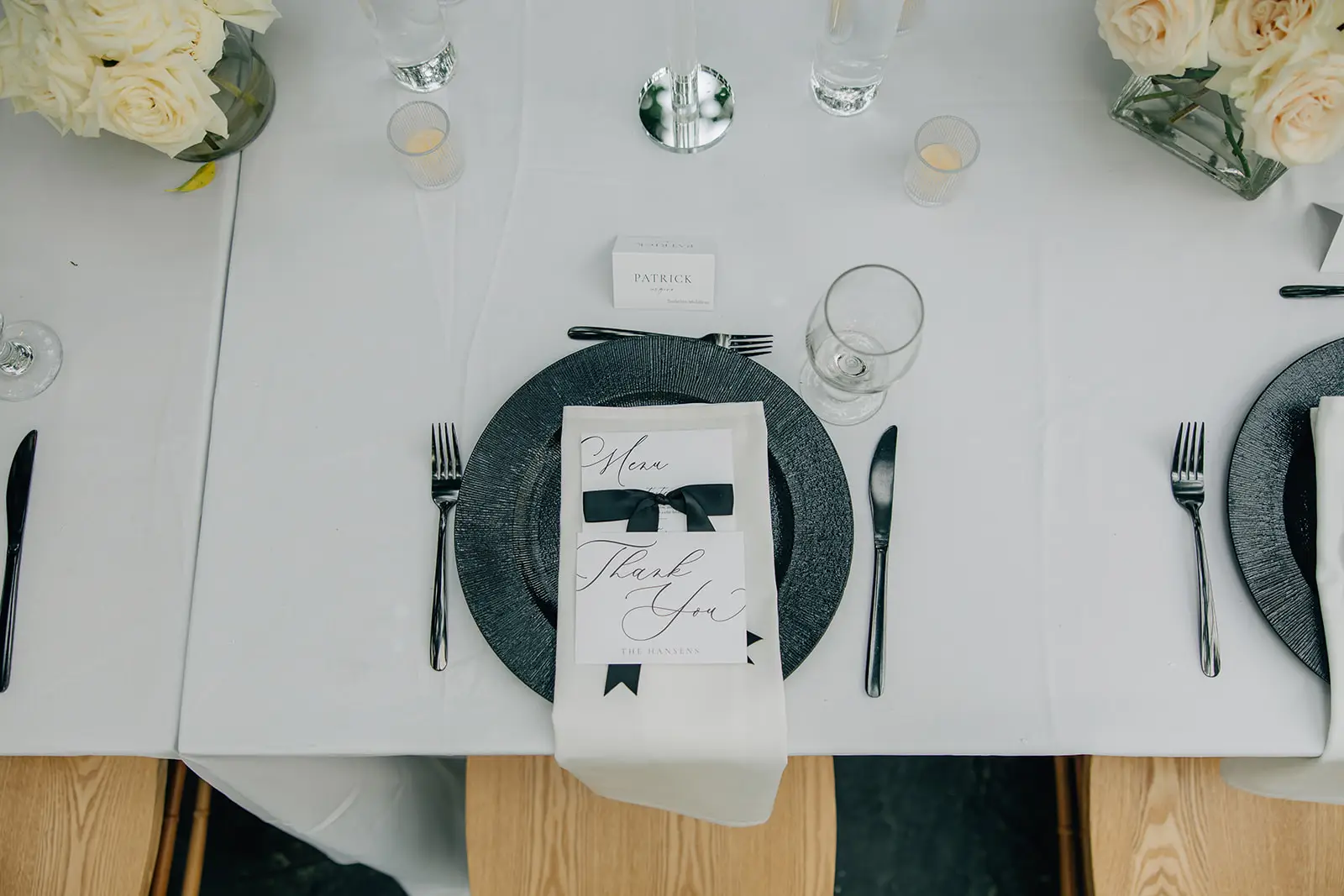
A neutral wedding, for example, doesn’t have to consist entirely of white and ivory. Layers of cream, champagne, taupe, warm wood, and soft metallics can create depth while maintaining a refined monochromatic feeling.
The same principle applies to colorful weddings. A carefully selected range of complementary shades can make a bold palette feel sophisticated rather than overwhelming.
Your wedding colors can then appear subtly throughout your stationery, florals, linens, furniture, tabletop details, signage, and other wedding decor.
3. Design With Your Wedding Venue in Mind
Your venue is one of the largest visual elements of your wedding, which means it should be part of the design conversation from the beginning.
Utah offers an incredible variety of wedding venues, from dramatic mountain settings and open landscapes to elegant ballrooms, historic spaces, and intimate garden venues.
Instead of designing against the existing environment, look for opportunities to enhance it.
Consider the venue’s architecture, flooring, wall colors, natural surroundings, existing furniture, ceiling height, and available natural light.
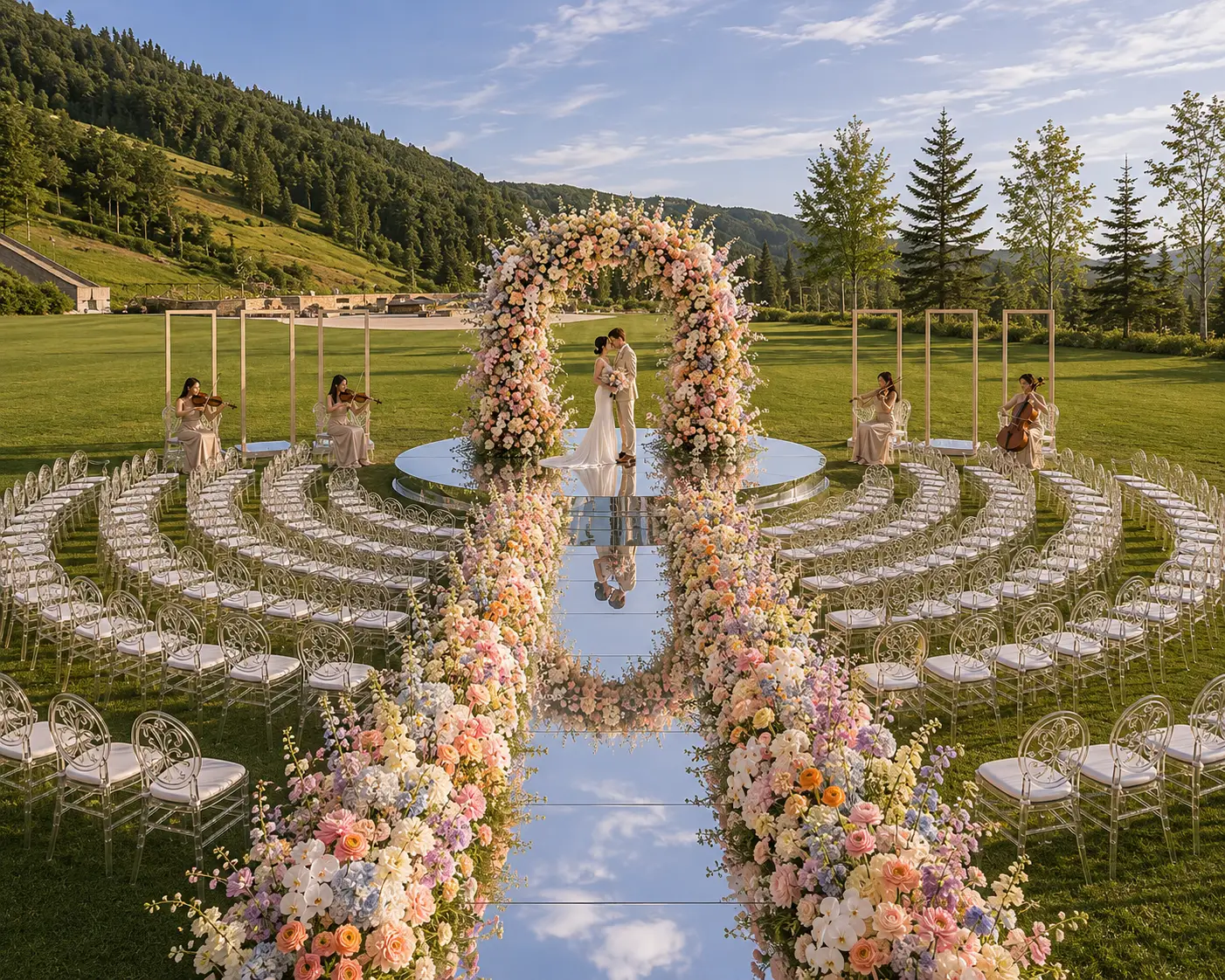
For example, a mountain wedding may benefit from an organic design that complements the surrounding landscape, while a ballroom provides opportunities for dramatic draping, statement florals, lighting, and custom installations.
A thoughtful Utah wedding designer can help identify which elements of a venue should become part of the design and which areas may benefit from transformation.
4. Use Texture to Add Dimension
Texture is one of the most powerful, and sometimes overlooked, elements of wedding design.
Even a restrained color palette can feel incredibly layered when different textures are introduced throughout the space.
Consider incorporating texture through:
- Specialty linens
- Draping
- Upholstered furniture
- Floral varieties
- Stationery and paper details
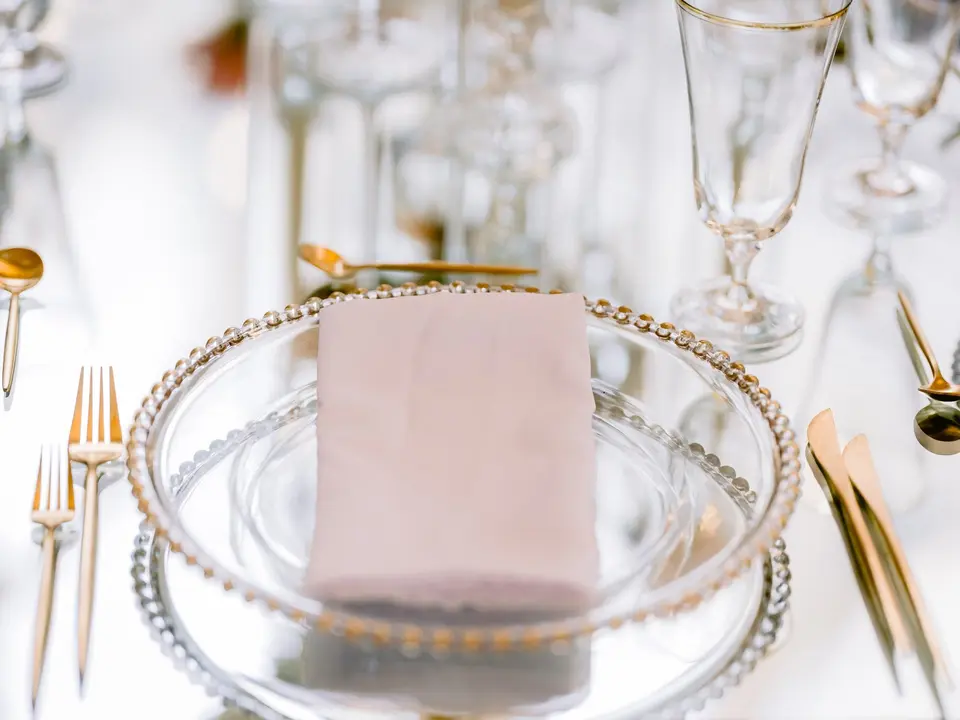
- Glassware
- Dinnerware
- Candles
- Wood or stone elements
- Metallic finishes
- Textured napkins
For a monochromatic wedding, texture becomes especially important. When many elements share similar colors, variations in material and finish create the visual interest that keeps the design from feeling flat.
The goal isn’t to incorporate every possible texture. Instead, select materials that support the overall wedding aesthetic and repeat them intentionally throughout the celebration.
5. Repeat Key Design Elements Throughout the Wedding
One of the simplest ways to create a cohesive wedding design is through repetition.
Choose a handful of recognizable elements and allow them to appear in different ways throughout the wedding.
A particular floral variety used in the ceremony could reappear in the reception centerpieces. A shape introduced on the invitation could influence menus or signage. A fabric used in the ceremony design could appear again on reception tables or within a lounge area.
These details don’t need to be identical.
Subtle repetition creates a visual connection as guests move from the ceremony to cocktail hour and eventually into the reception.
The result is a wedding that feels intentionally designed rather than decorated one space at a time.
6. Choose a Few Statement Moments
Not every element of your wedding needs to compete for attention.
In fact, choosing a few intentional focal points often creates a stronger design than trying to make every detail a statement.
Consider where you want guests to experience the greatest visual impact.
That might be:
- A dramatic ceremony installation
- An unexpected escort-card display
- Statement reception florals
- Ceiling draping or installations
- A beautifully designed bar
- A custom dance floor
- A layered tablescape
- An elevated lounge area
- A dramatic head table
Once those moments are established, the surrounding wedding decor can support them rather than compete with them.
This approach can also help prioritize the design budget. Investing strategically in the areas that will have the greatest impact often produces a more elevated overall experience.
7. Consider Lighting From the Beginning
Lighting can completely transform a space, yet it is often considered much later in the planning process.
It deserves to be part of the design conversation from the beginning.
Lighting influences how colors appear, how textures photograph, how architectural features are perceived, and, most importantly, how the room feels.
Soft candlelight can create intimacy around dinner tables. Pin spotting can highlight floral arrangements. Uplighting can change the appearance of an entire room. Statement fixtures can become part of the design themselves.
Consider how the space will transition throughout the celebration as well.
A reception room that feels bright and airy during dinner may transition into something moodier once dancing begins.
Great wedding reception design considers not only what the room looks like but how guests will experience it throughout the evening.
8. Work With a Wedding Planner and Designer
There are hundreds of individual decisions involved in designing a wedding.
The challenge isn’t simply choosing beautiful things, it’s determining which beautiful things belong together.
A wedding planner and designer looks at the celebration as a whole, considering the relationship between the venue, floor plan, guest experience, color palette, florals, rentals, lighting, linens, stationery, and countless smaller details.
Working with a professional also creates consistency between the creative vision and the logistical realities of the wedding day.
At Karla Edlinger Events, we approach wedding planning and design with both perspectives in mind. Every design decision should be beautiful, but it should also function beautifully within the overall event. You can read our reviews here.
Creating a Cohesive Wedding Design in Utah
From mountain celebrations surrounded by Utah’s natural landscape to sophisticated events in the heart of Salt Lake City, every venue offers a different opportunity for thoughtful design.
The key is creating a wedding that feels connected to its surroundings while still feeling distinctly personal to you.
Karla Edlinger Events provides wedding planning and design in Utah and beyond, bringing together thoughtful logistics, intentional details, and elevated design to create celebrations that feel cohesive from beginning to end.
Whether you’re beginning with a completely blank canvas or already have a folder filled with wedding design ideas, we’ll help refine those ideas into a clear creative direction and carry that vision throughout every part of your celebration.

 Ready to plan the wedding of your dreams? Contact us and let’s make magic together.